
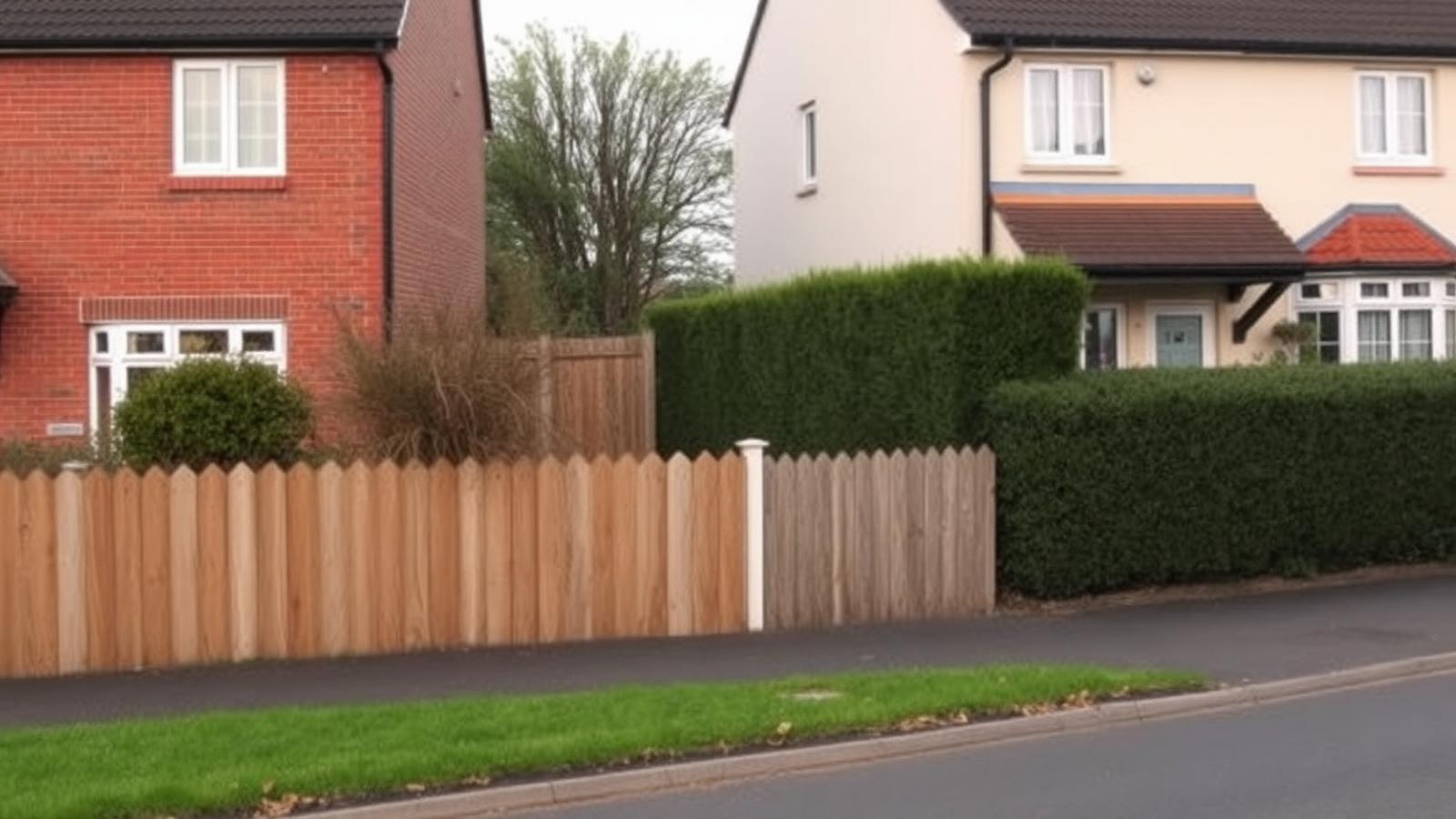
A recent story reported by The Telegraph serves as a stark reminder of how seemingly minor neighbour disagreements can escalate into years of litigation, damaged relationships and eye-watering legal costs.
According to The Telegraph, what began as a disagreement over a few inches of land between neighbouring properties in Essex ultimately developed into a 14-year legal battle involving allegations about the removal of a sentimental squirrel ornament, offensive YouTube videos and repeated court proceedings. The result? A damages award of around £12,600, but legal costs reportedly exceeding £150,000.
The figures are astonishing, but sadly the story itself is not.
Small disputes rarely stay small
As a mediator, I frequently encounter disputes that did not begin with money at all. Instead they start with issues such as:
- the exact position of a fence;
- overhanging trees or hedges;
- noise;
- parking;
- boundaries;
- pets;
- alleged harassment; or
- misunderstandings that simply spiral because nobody sits down to have a constructive conversation.
Once solicitors become involved, positions harden. Parties begin gathering evidence, commissioning surveyors and exchanging increasingly hostile correspondence. By the time proceedings are issued, the original issue has often become secondary to the parties’ determination to “win”. Our work on property and land disputes shows how often that pattern repeats.
Litigation has a price
Many people focus on whether they are legally right. Far fewer consider whether proving they are right is economically sensible. Even where a party succeeds in court, legal costs are rarely fully recoverable. Where a party loses, the consequences can be financially devastating.
The Telegraph article illustrates this vividly. The damages themselves represented only a fraction of the overall financial consequences once years of litigation and appeals had concluded.
Mediation offers something the courts cannot
Courts decide legal rights. Mediation helps people solve practical problems. That distinction is crucial.
In neighbour disputes, the parties usually continue living next to one another long after judgment has been handed down. A court can determine where a boundary lies or award damages, but it cannot rebuild trust or create a workable future relationship.
A mediator can help parties explore practical solutions such as:
- relocating or replacing fencing;
- agreeing maintenance responsibilities;
- resolving access arrangements;
- agreeing communication protocols;
- making apologies where appropriate; and
- reaching confidential settlements that allow everyone to move forward.
These are outcomes that judges are often unable to impose. The same principles apply in commercial mediation, where continuing relationships often matter as much as the money in issue.
Time, stress and uncertainty
Neighbour disputes frequently become emotionally exhausting. People spend years collecting photographs, obtaining witness statements, instructing experts and reliving arguments that may have begun over something trivial.
The emotional cost is often far greater than the financial one. Relationships with neighbours deteriorate, family members become involved and everyday life becomes dominated by conflict.
Early mediation is usually the best investment
The earlier parties engage in mediation, the greater the opportunity to preserve relationships and avoid disproportionate expense. Even where legal proceedings have already begun, mediation remains highly effective and is increasingly encouraged by the courts. Many disputes settle once parties have the opportunity to discuss matters constructively with an independent mediator.
No process can guarantee agreement. However, compared with years of litigation, mediation represents a relatively modest investment that can save tens—or even hundreds—of thousands of pounds, while allowing people to regain something that litigation rarely restores: peace of mind.
If you are dealing with a boundary or neighbour dispute, you can request a mediation or contact ProMediate to discuss the options. You can also read more about boundary and neighbour disputes in our Knowledge Centre.
This article was inspired by a news report published by The Telegraph concerning a long-running neighbour dispute in Essex. Credit for the underlying news story belongs to The Telegraph. This article provides commentary on the wider lessons regarding neighbour disputes, mediation and the costs of litigation rather than reproducing the original report.

About the author
Peter Causton
Director of ProMediate (UK) Limited — Commercial, Civil & Workplace Mediator
Founder and Director of ProMediate. An experienced independent commercial, civil and workplace mediator registered with the Civil Mediation Council, with over 100 mediations conducted since qualifying in 2009.
View Peter’s profileNewsletter
Stay informed
Receive practical guidance, mediation news, dispute resolution insights and updates from ProMediate.
- Commercial mediation
- Workplace mediation
- ADR developments
- Practical dispute resolution guidance
By subscribing you agree to receive ProMediate's email newsletter and updates. Usually monthly. You can unsubscribe at any time. See our Privacy Policy.
Suggested reading
Related areas of expertise
Mediators for this work


How we can help
Newsletter
Stay informed
Receive practical guidance, mediation news, dispute resolution insights and updates from ProMediate.
- Commercial mediation
- Workplace mediation
- ADR developments
- Practical dispute resolution guidance
By subscribing you agree to receive ProMediate's email newsletter and updates. Usually monthly. You can unsubscribe at any time. See our Privacy Policy.
Need help resolving a neighbour dispute?
Neighbour disputes can quickly become stressful, expensive and emotionally draining. ProMediate provides experienced, independent mediators who can help neighbours resolve disputes confidentially and cost-effectively before legal costs escalate.