
A dispute between neighbours over the position of a hedge has resulted in a High Court judgment upholding an order requiring one homeowner to pay 70% of her neighbour’s legal costs, including an immediate payment on account of £108,402.
The case of Douglas v Channon, concerning adjoining properties in Torquay, illustrates how litigation over a relatively small area of land can generate enormous legal costs.
It also raises an important question: could the parties have achieved a practical resolution through mediation at a fraction of the expense?
A Dispute Over a Hedge
The dispute arose between Sarah Douglas and Ronald Channon, owners of neighbouring properties in Torquay, Devon.
A hedge which had previously separated the properties was removed in 2018 by an earlier neighbour.
Following Mr Channon’s purchase of the adjoining property, a new fence was erected near the former position of the hedge.
Ms Douglas maintained that the fence encroached upon her land.
She brought proceedings concerning the boundary, alleged trespass and nuisance, and the alleged destabilisation of a retaining bank.
Mr Channon disputed her claims and brought counterclaims of his own.
The dispute ultimately required a court hearing involving expert evidence, plans, photographs and a judicial site visit.
Where Exactly Was the Boundary?
One of the central issues was whether the boundary followed the outer extent of the hedge’s foliage or the line of its stems.
The trial judge, HHJ Mitchell, concluded that the relevant boundary followed the outer edge of the hedge stems, rather than the extent of its foliage.
This was an important distinction.
A hedge grows and changes shape. Its foliage can extend considerably beyond the position of its stems, making the outer edge of the leaves an unreliable permanent boundary.
However, a further issue arose because the boundary line plotted by the defendant’s surveyor ran approximately through the middle of the former stems rather than precisely along their outer edge.
The judge considered the difference insignificant.
Ms Douglas appealed.
The High Court: Millimetres Did Not Justify Further Litigation
The appeal was considered by Mr Justice Linden.
The High Court upheld the trial judge’s decision that the discrepancy between the two boundary lines was so small that it was immaterial in the circumstances.
The difference was measured in millimetres.
The trial judge had been entitled to conclude that further surveying work and potentially another hearing were not justified.
The High Court therefore declined to interfere with that assessment.
This did not mean that a difference of a few millimetres can never be legally important. The decision reflected the particular evidence and circumstances of the case, including the substantial costs already incurred.
The Cost of the Dispute
The financial consequences were considerable.
The trial judge ordered Ms Douglas to pay 70% of Mr Channon’s legal costs.
His budgeted legal costs, including VAT, were approximately £309,720.
A 70% share of that figure is approximately £216,804, although the precise amount recoverable remains subject to assessment or agreement.
Ms Douglas was ordered to make an immediate payment of £108,402 on account of her neighbour’s costs.
That payment was separate from her own legal expenses.
Although she had successfully resisted Mr Channon’s substantial monetary counterclaims, the judge concluded that he had succeeded on the principal issue concerning the boundary.
The High Court upheld that approach to costs.
The case illustrates a fundamental risk of litigation: even where a party succeeds on some issues, they may still face substantial adverse costs if they lose on the central question in dispute.
What Would Mediation Have Cost?
At ProMediate, a standard full-day property or boundary mediation costs £1,500 plus VAT in total, shared between the parties.
That is £1,800 including VAT, or £900 per party if shared equally.
Compare that with the £108,402 ordered as an immediate payment on account of legal costs.
The payment on account alone represents more than 60 times the total cost of a full-day mediation at ProMediate’s standard boundary mediation rate.
Of course, mediation does not guarantee settlement.
Nor is it suggested that mediation was not attempted in this particular case. The reported judgment does not establish whether the parties previously participated in mediation.
Nevertheless, the figures demonstrate why parties should consider mediation before committing themselves to potentially disproportionate litigation.
Why Boundary Disputes Are Suitable for Mediation
Boundary disputes can become intensely personal.
They frequently concern more than the ownership of a narrow strip of land.
Neighbours may disagree about fences, hedges, retaining walls, access, maintenance responsibilities, drainage or privacy.
A court generally determines the legal issues and remedies before it.
Mediation allows the parties to consider a much wider range of practical solutions.
For example, the parties might agree:
- A mutually acceptable position for a fence or boundary feature.
- Arrangements for replacing or maintaining a hedge.
- Responsibility for repairs to a retaining wall or bank.
- Access arrangements for future maintenance.
- Landscaping or privacy measures.
- A contribution towards works or professional fees.
- A binding agreement designed to avoid future disagreements.
Mediation also gives neighbours an opportunity to communicate constructively, potentially preserving a relationship which may need to continue for many years.
The Courts Encourage Mediation
The modern approach of the courts strongly supports the appropriate use of alternative dispute resolution.
In Churchill v Merthyr Tydfil County Borough Council [2023] EWCA Civ 1416, the Court of Appeal confirmed that courts may, in appropriate circumstances, order parties to engage in non-court dispute resolution, provided the requirements of fairness and proportionality are satisfied.
The Civil Procedure Rules also recognise the importance of ADR.
Parties who refuse reasonable opportunities to explore settlement may face costs consequences, depending on the circumstances.
There is therefore a powerful financial and practical incentive to consider mediation before a dispute reaches trial.
A Dispute Over Millimetres — But Costs Running Into Hundreds of Thousands
Douglas v Channon demonstrates the danger of allowing a property disagreement to escalate beyond all reasonable proportion.
What began as a disagreement over a hedge eventually involved extensive litigation, expert evidence, a trial, an appeal and substantial costs orders.
The High Court ultimately considered that a discrepancy measured in millimetres did not justify prolonging the proceedings.
Yet the financial consequences were already enormous.
The lesson for property owners is not that legal boundaries are unimportant. It is that enforcing legal rights through litigation can be exceptionally expensive.
Before spending tens or hundreds of thousands of pounds on a boundary dispute, it makes sense to explore whether a mediation costing a fraction of that amount could achieve a practical settlement.
Resolve Your Boundary Dispute Through ProMediate
ProMediate provides independent mediation services for property, neighbour, hedge, fence and boundary disputes throughout England and Wales.
We offer online and in-person mediation, with experienced mediators helping parties identify practical and commercially sensible solutions.
Our standard full-day boundary mediation fee is £1,500 plus VAT, shared between the parties.
If you are involved in a boundary dispute, contact ProMediate to discuss whether mediation could help you avoid further legal costs, delay and uncertainty.
Contact ProMediate today to arrange a boundary mediation.
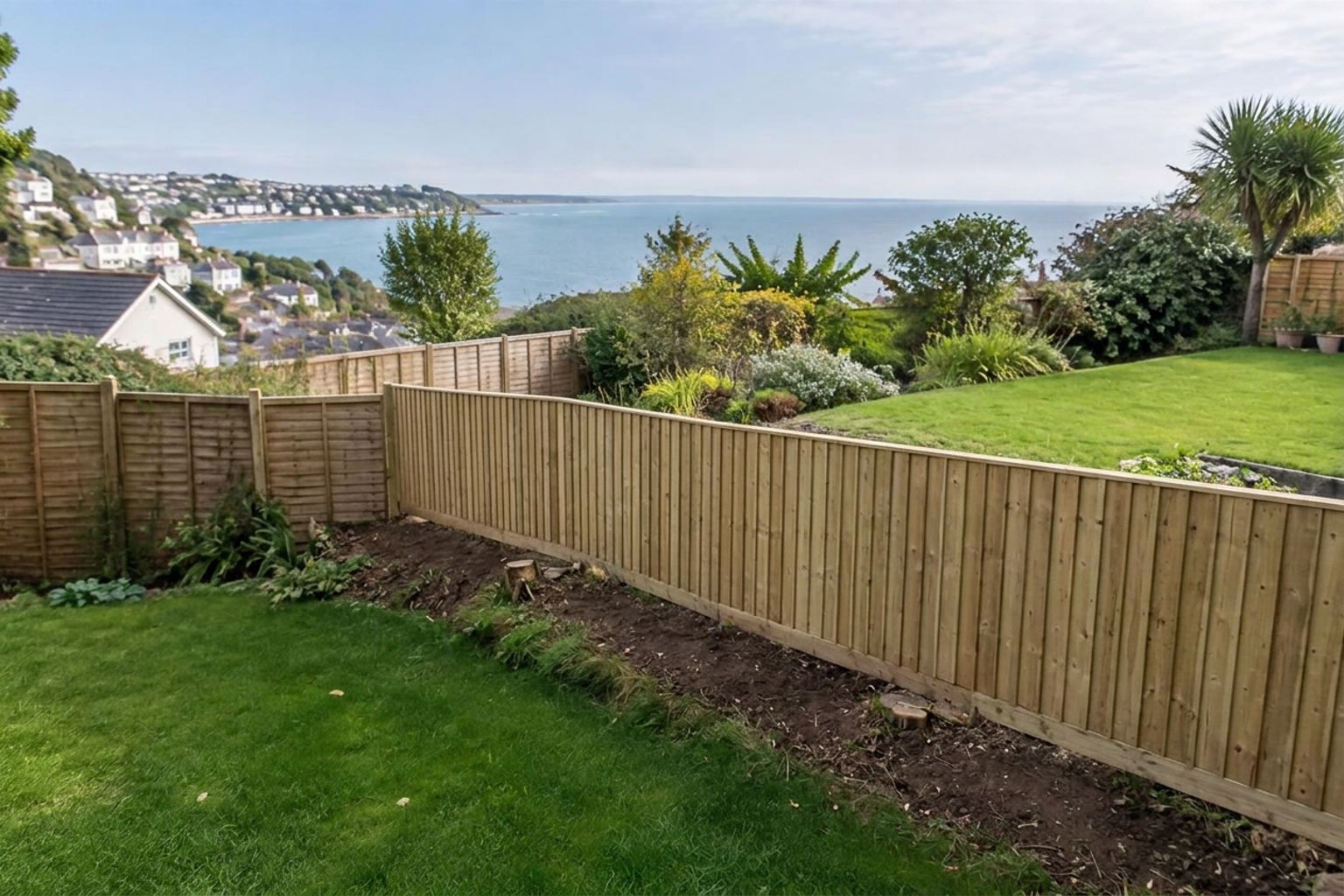
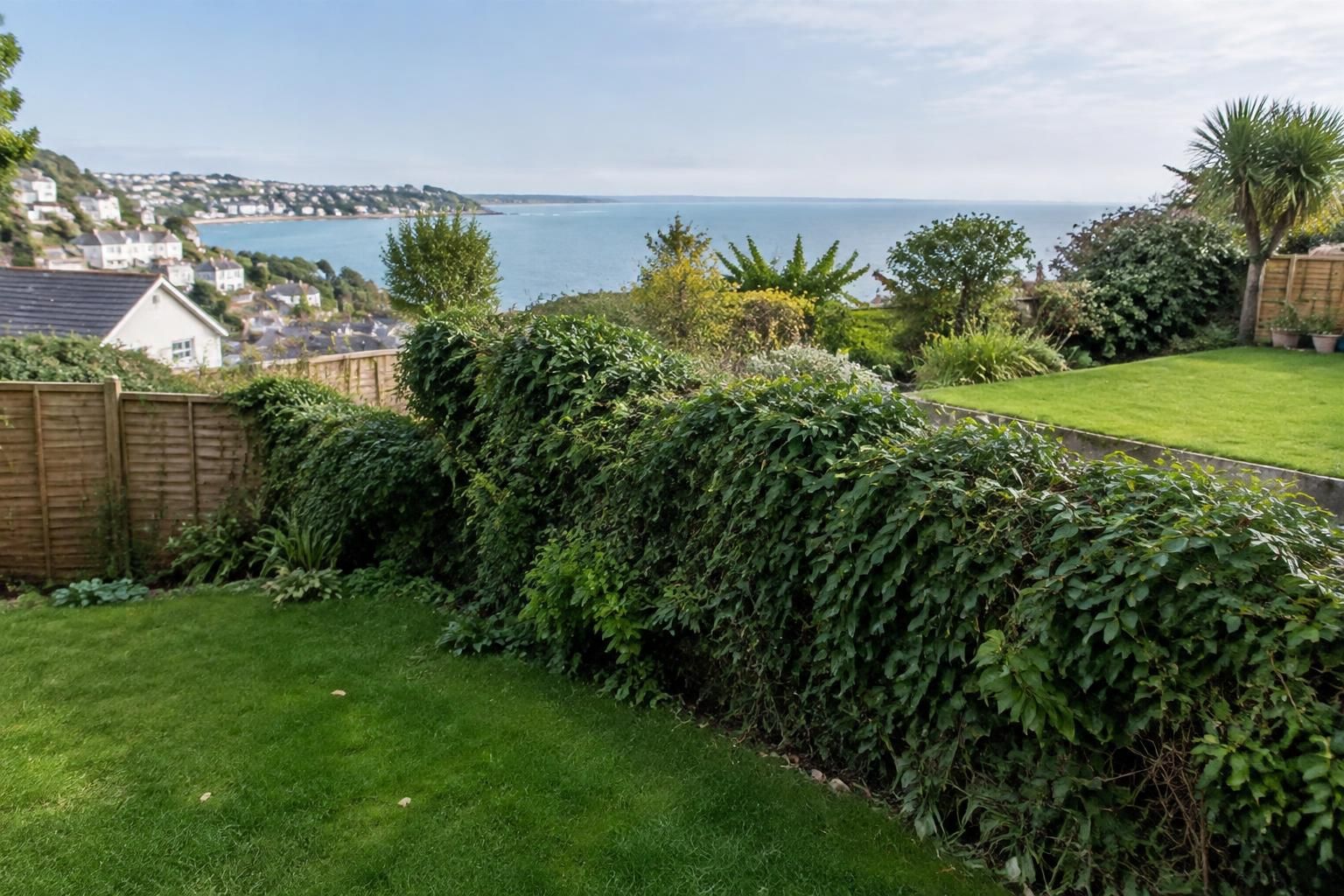
This article provides general information and commentary on reported court proceedings. It is not legal advice. The illustrations are representative only and do not depict the actual properties involved.
Newsletter
Stay informed
Receive practical guidance, mediation news, dispute resolution insights and updates from ProMediate.
- Commercial mediation
- Workplace mediation
- ADR developments
- Practical dispute resolution guidance
By subscribing you agree to receive ProMediate's email newsletter and updates. Usually monthly. You can unsubscribe at any time. See our Privacy Policy.
Suggested reading
Related areas of expertise
Mediators for this work



How we can help
Newsletter
Stay informed
Receive practical guidance, mediation news, dispute resolution insights and updates from ProMediate.
- Commercial mediation
- Workplace mediation
- ADR developments
- Practical dispute resolution guidance
By subscribing you agree to receive ProMediate's email newsletter and updates. Usually monthly. You can unsubscribe at any time. See our Privacy Policy.
Don’t Let a Boundary Dispute Become a £100,000 Legal Battle
Resolve disputes about hedges, fences, land and neighbouring properties through independent mediation. A full-day boundary mediation with ProMediate costs £1,500 plus VAT, shared between the parties.